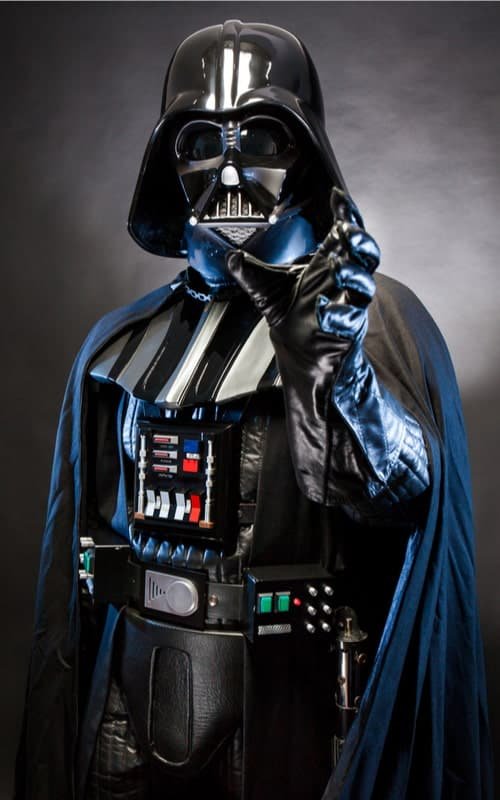
Few sagas weave destiny with such intricate threads as Star Wars. And perhaps no single film in the prequel trilogy is as rife with chilling omens of the future as Star Wars: Episode II – Attack of the Clones. It's a masterclass in 'Foreshadowing Darth Vader: Episode II's Impact on Anakin's Destiny,' subtly painting a portrait of tragedy long before the iconic black mask ever appears.
Long before Anakin Skywalker's full descent into the dark side, George Lucas planted visual and thematic seeds that, upon rewatch, are strikingly clear. These aren't just subtle hints; they're deliberate, masterful strokes of cinematic prophecy that deepen the emotional impact of the entire saga.
At a Glance: Episode II's Prophetic Echoes
- Attack of the Clones is meticulously crafted to foreshadow Anakin's transformation into Darth Vader.
- Key visual elements like settings, costumes, and character interactions carry symbolic weight.
- Padmé Amidala's attire, specifically her "leather and lace" gown and a black choker, are direct visual cues to her tragic end.
- A dimly lit, fire-lit alcove on Naboo mirrors the fiery landscape of Mustafar, where Anakin embraces his dark fate.
- George Lucas intentionally designed these elements to symbolize themes of forbidden love, suffocation, and spiritual death.
- Anakin's own character flaws – his fear, anger, and possessiveness – are the emotional kindling for Vader's birth.
The Unseen Hand of Destiny: How George Lucas Wove Vader's Shadow into Episode II
To truly appreciate the genius of George Lucas's prequel trilogy, you need to understand his long-game approach to storytelling. He wasn't just telling a story; he was creating a modern myth, one where fate and free will constantly collide. And when it came to depicting the birth of Darth Vader, Lucas opted for a powerful, almost poetic form of foreshadowing, particularly through visual metaphor. He knew where Anakin's journey was heading, and he laid down breadcrumbs – or perhaps, ominous signposts – throughout Attack of the Clones that whisper of the darkness to come.
This isn't just about dialogue or explicit warnings. It's about setting, costume design, and even subtle directorial choices that speak volumes about Anakin Skywalker's perilous path. Every rewatch of Episode II reveals new layers of this intricate tapestry, transforming what might seem like a simple romance into a terrifying prelude. It's a stark reminder that destiny, in the Star Wars universe, isn't always something you run toward; sometimes, it's something you tragically fulfill.
A Cauldron of Flame and Forbidden Love: The Mustafar Mirror
One of the most striking instances of visual foreshadowing in Attack of the Clones occurs during a pivotal romantic scene between Anakin and Padmé on Naboo. They share an intimate moment in a dimly lit alcove, bathed in the orange glow of a roaring fireplace. It's meant to be a moment of burgeoning, forbidden passion, a quiet defiance of the Jedi code that binds Anakin.
Yet, this romantic setting is anything but innocent. The flickering flames and oppressive shadows are a chilling premonition of their tragic end on Mustafar. That volcanic planet, a literal cauldron of fire and lava, becomes the stage for Anakin's final, devastating transformation into Darth Vader. It's there, amidst the molten rivers, that he turns against Obi-Wan Kenobi, and it's there that he attempts to murder Padmé. The warmth of the Naboo fireplace, symbolizing their passionate but dangerous love, is transmuted into the destructive heat of Mustafar, symbolizing the inferno that consumes Anakin's soul and ultimately leads to Padmé's death. This stark visual parallel forces us to look back at the origins of their relationship and see the seeds of destruction already present.
The Silent Symbol of Suffocation: Padmé's Choker
Among Padmé Amidala's elaborate and often symbolic wardrobe in Attack of the Clones, one accessory stands out with a particularly grim significance: a black choker she wears. This isn't just a fashion statement; it's a deliberate, haunting visual cue directly linked to the most iconic and heartbreaking act of Darth Vader's betrayal.
George Lucas, with his characteristic attention to mythological symbolism, ensured this piece of jewelry was prominently displayed. It’s a literal representation of the metaphorical suffocation that will come to define their relationship. Years later, in Revenge of the Sith, Darth Vader, consumed by the dark side, will confront Padmé on Mustafar and physically choke her with the Force, cutting off her life-giving breath. The choker, therefore, serves as a chilling, pre-emptive visual echo of this brutal act. It signifies not only the physical assault but also the emotional strangulation of their love and the complete severing of their connection.
This act of violence on Mustafar is the culmination of Anakin's growing fear and possessiveness. Understanding Anakin Skywalker's role in Episode II, particularly his struggles with attachment and his descent into violent outbursts, makes the choker's foreshadowing even more impactful. It's a visual shorthand for the destiny awaiting them both, a destiny fueled by his inability to let go.
Bound by Darkness: The "Leather and Lace" Gown's Prophetic Design
Beyond the choker, Padmé's entire "leather and lace" gown, which she wears during the critical Naboo scenes, is imbued with symbolic meaning. Designed in collaboration with George Lucas, this outfit is far from a coincidence; it's a narrative device masquerading as fashion. The gown, predominantly black, features a tight, constricting corset.
This corset, visually striking against the more ethereal gowns Padmé typically wears, is a powerful metaphor for the suffocating nature of her forbidden love with Anakin. Their relationship, by its very existence, is an act of defiance against the Jedi Order, forcing Anakin to hide his true feelings and denying them a conventional life. The tight lacing of the corset visually communicates this restriction, this feeling of being bound and constricted by circumstances beyond their control – or, more accurately, by Anakin's inability to control his emotions and attachments.
The "leather and lace" combination itself speaks volumes. Leather, often associated with strength, power, and even a certain darkness, hints at the danger inherent in their passion. Lace, delicate and intricate, suggests the fragile beauty of their connection, easily torn and ruined. Together, they form a visual representation of a love that is both seductive and dangerous, beautiful and ultimately destructive. It's a costume that doesn't just look good; it tells a story, foreshadowing the tragic weight that will crush them both.
Anakin's Fissured Soul: Echoes of the Future Villain
While the visual cues around Padmé are potent, the most crucial foreshadowing lies within Anakin Skywalker himself in Episode II. His emotional landscape is a fertile ground for the dark side, and Attack of the Clones meticulously lays out the psychological groundwork for his transformation.
You see it in his impulsivity: his eagerness to charge into danger, his disregard for protocol. You witness it in his anger, particularly after his mother's death, where he admits to slaughtering the Tusken Raiders—men, women, and children—without remorse. This violent outburst is a shocking glimpse into the abyss within him, a stark contrast to the Jedi ideals of peace and control. His fear of loss, especially losing Padmé, becomes an obsession, making him vulnerable to manipulation. This possessive love, driven by fear rather than pure affection, directly fuels his descent. He grapples with visions, a premonition of his mother's suffering, further demonstrating his inability to let go of those he cares about, a critical flaw for a Jedi.
These personal failings – fear, anger, hatred, suffering, and a profound struggle with attachment – are not just character quirks; they are the very emotional kindling that ignites the furnace of Darth Vader. Understanding Anakin's developing character and emotional turmoil in Episode II is essential to comprehending the tragic inevitability of his fate. The film doesn't just show us a young Jedi; it shows us a young man already teetering on the edge, his soul fissured by internal conflict, ready to be exploited by the likes of Palpatine.
More Than Just a Death: Lucas on the Philosophy of Strangulation
The choking incident on Mustafar, visually prefigured by Padmé's choker, carries profound philosophical weight, as George Lucas himself explained. In a 2005 Rolling Stone interview, Lucas commented, "Strangulation is always a theme. Life is breath. It's a powerful idea in Buddhism: Cutting off life is cutting off breath. The road to the Force is through the breath." This statement elevates the act of choking Padmé from mere physical violence to a symbolic severing of life, of breath, and of connection to the Force itself.
When Darth Vader chokes Padmé, he isn't just taking her life; he's metaphorically strangling his own remaining humanity, his connection to love, and his potential to remain a Force-user of the light. For Padmé, the act is literally life-taking. But for Anakin, it represents a complete spiritual amputation. He cuts off the very breath of compassion and light within himself, irrevocably dedicating himself to the dark side.
This philosophical layer underscores the immense tragedy of the moment. Padmé doesn't die purely from physical injury; the medical droids state she loses the will to live, dying of a "broken heart." Her breath, her life force, is cut off by the man she loves, an act that destroys her spirit and simultaneously extinguishes the last flicker of Anakin Skywalker. It’s a death that resonates on physical, emotional, and spiritual planes, making the foreshadowing of the choker all the more chilling.
The Tragic Culmination: From Foreshadowing to Fates Fulfilled
The true power of Episode II's foreshadowing isn't just in the cleverness of the hints, but in how profoundly they resonate when we reach Revenge of the Sith. Seeing Anakin, now fully clad as Darth Vader, brutally choke Padmé on the fiery landscape of Mustafar is made all the more devastating because the audience has been unknowingly prepared for it. The dimly lit alcove, Padmé’s constricting gown, and especially the black choker all rise to the surface of our consciousness, transforming a shocking act into a fulfillment of a grim destiny.
When Padmé eventually dies, not with a scream, but with a mournful sigh, from a "broken heart," it’s the ultimate payoff of the suffocating, forbidden love symbolized by her wardrobe. The beautiful but dangerous romance we witnessed blossoming in Episode II finds its horrific conclusion in a shattered spirit and a world consumed by darkness. This deliberate narrative technique deepens the emotional weight of the entire prequel trilogy, turning Anakin's journey into a Shakespearean tragedy foretold by subtle signs and symbols. It elevates the saga from a space adventure to a timeless epic about choice, fate, and the seduction of power.
Crafting Destiny: Lessons in Subtlety and Symbolism
The masterful foreshadowing in Attack of the Clones isn't just something for fans to appreciate; it offers profound lessons in storytelling. For aspiring writers and filmmakers, it demonstrates the power of visual language, showing how objects, settings, and costumes can carry as much narrative weight as dialogue. It teaches that subtlety can often be more impactful than explicit statements, allowing the audience to discover and connect dots, which makes the eventual payoff far more satisfying and devastating.
This approach also significantly enhances the rewatchability of the Star Wars saga. Each viewing of Episode II, armed with the knowledge of what's to come, transforms the film into a treasure trove of hidden meanings and tragic ironies. The seemingly innocent romantic gestures become tinged with dread, and Anakin's boasts of power become tinged with foreboding. Understanding Anakin's complex character development and choices in Episode II becomes central to appreciating the overarching narrative of the entire saga. It's a testament to Lucas's vision that even two decades later, these carefully placed narrative devices continue to spark discussion and deepen our understanding of one of cinema's most iconic villains.
A Legacy of Darkness and Heartbreak
The impact of Star Wars: Episode II – Attack of the Clones on Anakin's destiny, meticulously foreshadowing the birth of Darth Vader, goes beyond mere plot points. It imbues the entire Star Wars saga with a profound sense of tragic inevitability. Through a combination of brilliant visual storytelling, symbolic costume design, and a deep understanding of mythological archetypes, George Lucas crafted a narrative that, upon reflection, clearly points to the darkness awaiting its hero.
This isn't just about showing us what will happen; it's about making us feel the weight of that impending doom, even if we don't consciously recognize the signs on a first viewing. The fiery alcove, the restrictive corset, the chilling choker – these aren't just details; they are the threads of fate, tightly woven into the fabric of Anakin and Padmé's story, ensuring that their forbidden love would ultimately lead to suffocation, betrayal, and a legacy defined by darkness and heartbreak. It reminds us that even in a galaxy far, far away, the most devastating tragedies are often rooted in the choices we make, and the shadows we allow to grow within us.