When we think of Anakin Skywalker, images of a heroic General or the formidable Darth Vader often come to mind. But before the fall, before the full glory of the Clone Wars, there was Anakin the Padawan. Star Wars: Episode II – Attack of the Clones presents us with Anakin in his most formative and perhaps most vulnerable stage: a young man on the cusp of adulthood, grappling with immense power, forbidden attachments, and the weight of a galaxy's expectations. This isn't just a coming-of-age story; it's the prologue to a tragedy, where every choice, every emotion, carves the path to destiny.
Episode II is where the foundations of both the hero and the villain are laid, where his raw potential clashes with the strictures of the Jedi Order, and where his fear of loss begins to fester into something far more dangerous. It’s a period rife with internal conflict, external pressures, and critical decisions that will echo through the entire saga. Understanding Anakin here means understanding the very heart of the Star Wars narrative.
The Dawn of a Destiny: Anakin's Padawan Years
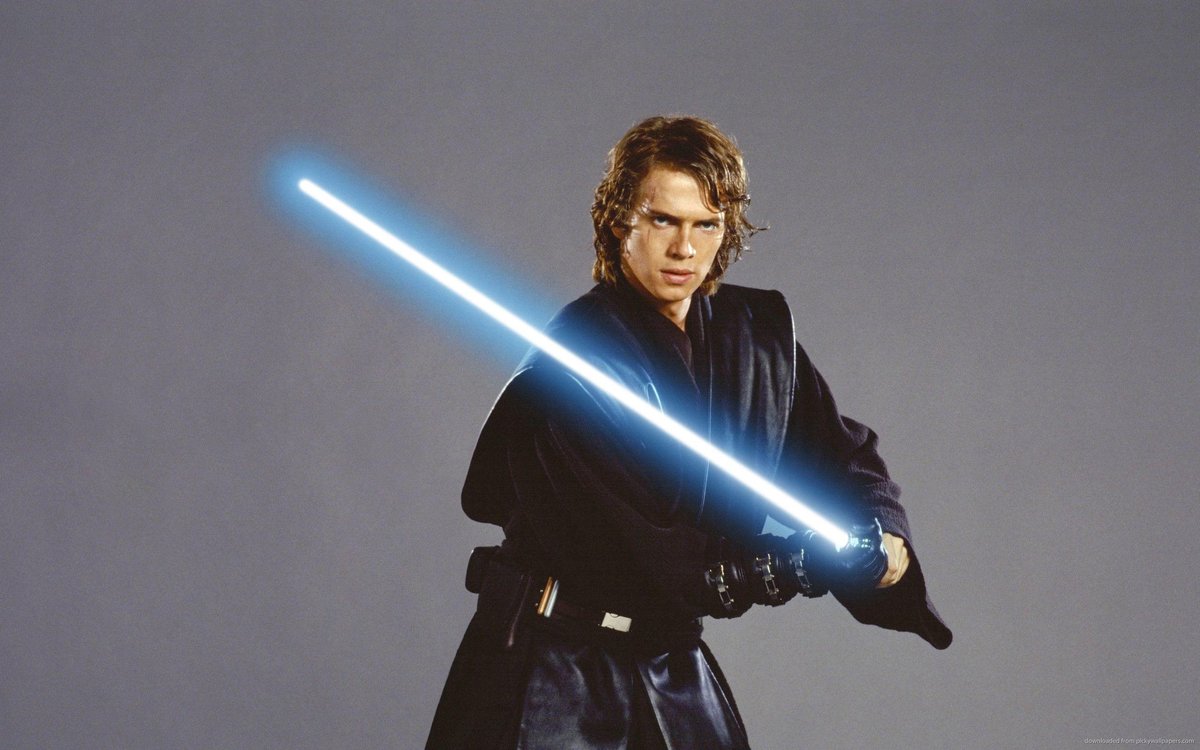
Anakin Skywalker enters Episode II as a young Jedi Padawan, visibly matured from his Tatooine days but still very much learning the ropes under his Master, Obi-Wan Kenobi. His distinctive look—the short Padawan cut, the visible braid on his right side, and the classic Jedi robes comprising an inner tunic, outer tunic, and tabards—marks him as dedicated to the Order, at least on the surface. Yet, beneath this outward conformity and disciplined appearance, a tempest brews. He's undeniably powerful, perhaps more so than any Jedi of his time, but this power is untamed, fueled by intense emotions and a burgeoning arrogance.
His journey in this film is less about external battles and more about an internal war. He struggles with impatience, a sense of entitlement, and a profound, often overwhelming, fear of losing those he cares for. These are not minor character flaws; they are seismic cracks in the foundation of his Jedi training, threatening to bring down everything he is building. To truly grasp the significance of this period, you must Explore Anakins Clones character arc Understand the intricate evolution of his personality and decisions during these pivotal years.
The Burden of the Chosen One: Potential and Peril
From the moment Qui-Gon Jinn discovered him, Anakin was hailed as the Chosen One, destined to bring balance to the Force. This immense prophecy hangs over him throughout Episode II, fostering both a deep sense of responsibility and an equally profound sense of impatience. He chafes under Obi-Wan's tutelage, believing his power warrants greater trust and freedom. His abilities with a lightsaber, often a nickel-plated AOTC hilt with a blue blade, are formidable, but his emotional control lags far behind his raw Force capabilities. It's a classic hero's journey setup, but twisted with the inherent irony of his ultimate fate.
Forging Connections: The Web of Influence
Anakin’s emotional landscape is heavily influenced by the critical relationships he navigates in Episode II. His bond with Obi-Wan is complex, a mix of brotherly affection, mentor-mentee friction, and unspoken rivalry. He deeply respects Obi-Wan but constantly challenges his authority, a sign of his rebellious spirit and burgeoning independence. Then there's Padmé Amidala, with whom he shares a forbidden, passionate connection that violates every tenet of the Jedi Code. Their love story, ignited by years of longing, becomes a direct catalyst for many of his darker choices. Finally, the subtle machinations of Senator Palpatine begin to take hold, as the future Emperor cultivates a mentorship built on flattery and manipulation, slowly isolating Anakin from the Jedi Council. These formative years weren't spent in isolation; his connections profoundly shaped him. You can Explore Episode IIs key relationships to see how these dynamics played out and their lasting impact.
The Inner Conflict: Seeds of the Dark Side
The most dramatic shift in Anakin's journey in Episode II comes with the tragic death of his mother, Shmi Skywalker. This event is a brutal awakening, unleashing an uncontrolled torrent of grief, anger, and vengeance. His subsequent slaughter of the Tusken Raiders, driven by rage and a desperate need for retribution, is a shocking deviation from Jedi principles and a clear harbinger of the darkness within. It's a moment where his fear of loss, his attachment, and his raw, unchanneled power converge, pushing him perilously close to the precipice. The fear of loss, a theme present since his earliest days, truly begins to manifest here, laying the groundwork for his ultimate fall. To understand how these dark impulses took root, delve into The Genesis of the Dark.
The Training Ground: Jedi Ideals vs. Raw Power
Anakin's time as a Padawan in Episode II highlights the fundamental limitations and conflicts within his Jedi training. The Jedi Code preaches detachment, emotional control, and selfless service. Anakin, however, is a being of intense emotion, deep attachments, and a burgeoning ego. His exceptional raw power often masks his lack of discipline and patience, creating friction with the Jedi Council, who perceive his abilities as a double-edged sword. He's a prodigious Force user, capable of incredible feats, but his inability to let go of his past, especially his mother, and his burgeoning love for Padmé, directly contradicts the very path he is meant to follow. Despite his incredible raw power, Anakin's journey as a Padawan was fraught with challenges and personal conflict against the very code he swore to uphold. Uncover the intricacies of Anakins Jedi Training, Limitations, and as he struggles against the very principles meant to guide him.
Echoes of the Future: Critical Moments in Episode II
Attack of the Clones is replete with scenes that are not merely plot devices but profound symbolic moments for Anakin. From his dreams foretelling his mother's death to his chilling confession to Padmé about the Tusken Raiders, each scene meticulously builds the psychological profile of a hero spiraling towards villainy. His costume, too, reflects his status—the required Padawan cut with a distinctive braid, his natural hair, and the functional, yet elegant, Jedi attire (tan inner tunic, brown outer tunic, leather tabards, and a dark brown Obi and belt) are all symbolic of his current role. Even the absence of an outer robe, often donned by more seasoned Jedi, subtly marks him as a Padawan, still under direct guidance. These visual cues, combined with his actions, serve as powerful foreshadowing for what is to come. Episode II is packed with moments that subtly (and not so subtly) foreshadow Anakin's future. For a deeper dive into these critical junctures, be sure to check out Pivotal Scenes and Symbolism of.
Anakin Skywalker's portrayal in Episode II is not just a chapter in a larger story; it's a foundational text for understanding the most iconic villain in cinematic history. It's where the boy becomes the man, where his potential is both limitless and terrifyingly fragile. His crucial Padawan stage isn't just a period of learning; it's the crucible in which his fate is forged, setting the stage for the galaxy-altering events that follow. By examining these moments, we gain invaluable insight into the choices, emotions, and external forces that ultimately led the Chosen One down a path of darkness.